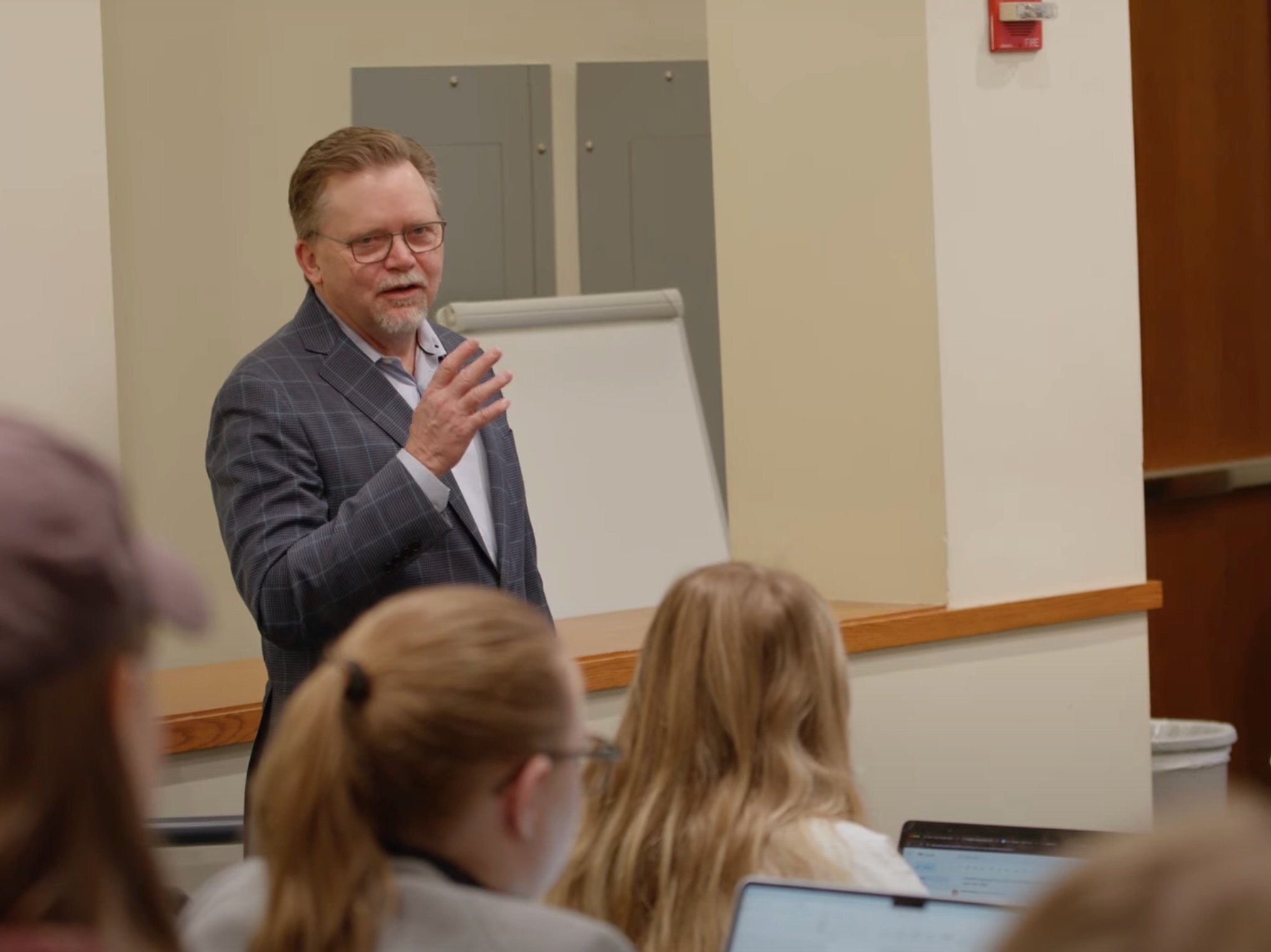
About Kent Greenfield
Kent Greenfield is Professor of Law and the Dr. Thomas F. Carney Distinguished Scholar at Boston College Law School. His scholarship and public work focus on constitutional law, democratic institutions, the First Amendment, corporate power, and the ways law can respond to deep political and social divisions.
Greenfield’s forthcoming book, Secession: Why Our Country Should Split Up (And How to Do It Peacefully), will be published by Mariner Books, an imprint of HarperCollins, in January 2027. The book examines whether the United States’ increasingly profound political divisions might ultimately require a negotiated, democratic, and peaceful restructuring of the country.
Greenfield is the author of three previous books: Corporations Are People Too (And They Should Act Like It), The Myth of Choice: Personal Responsibility in a World of Limits, both published by Yale University Press, and The Failure of Corporate Law: Fundamental Flaws and Progressive Possibilities, published by the University of Chicago Press. He is also the chief editor and principal author of the two Supreme Court volumes of Moore’s Federal Practice. His scholarly articles have appeared in the Yale Law Journal, The Supreme Court Review, the Virginia Law Review, and numerous other leading journals.
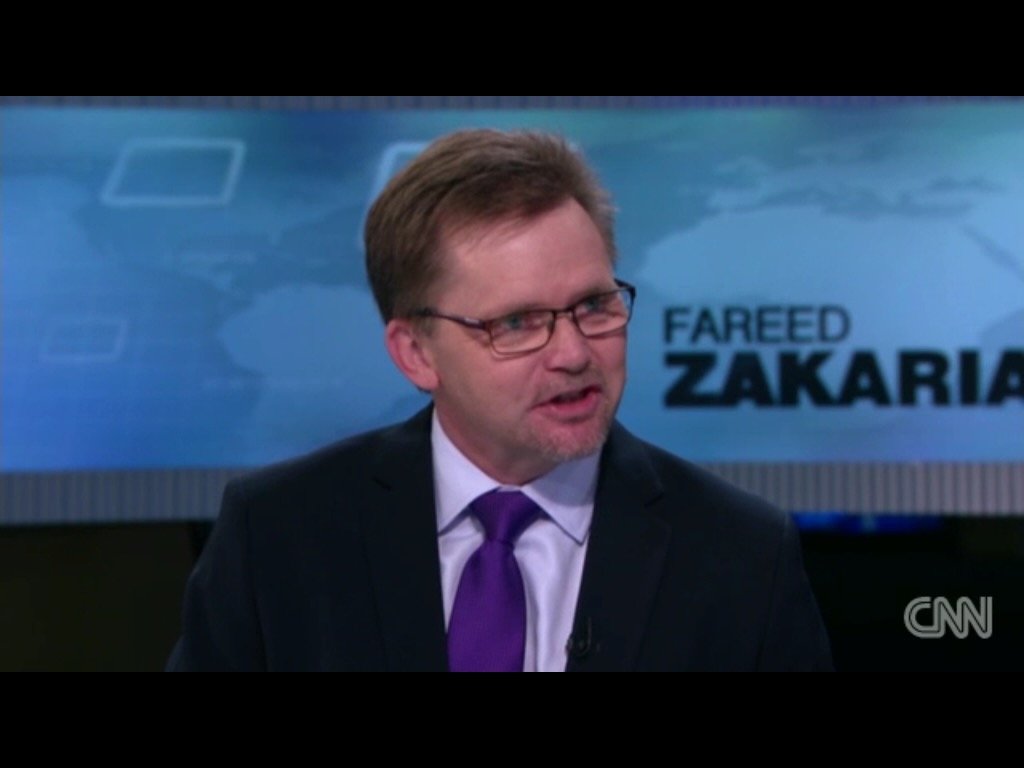
A frequent commentator on constitutional law, the Supreme Court, democracy, and corporate responsibility, Greenfield has appeared on CNN, MSNBC, NPR, BBC, Al Jazeera, Fox, PBS, and other national and international outlets. His essays have appeared in the New York Times, the Washington Post, the Atlantic, USA Today, Slate, SCOTUSblog, the Boston Globe, and other publications.
A Life Across America
Kent grew up in a small Kentucky town in a Baptist family, with deep roots in the state. His childhood included hunting in local woods, riding dirt bikes, marching in the high school band, exploring Civil War battlefields, and working at the local grocery store.
Before becoming a law professor, he worked as a dishwasher, janitor, schoolteacher, and practicing lawyer. He has lived in Kentucky, California, Illinois, Virginia, Rhode Island, New Hampshire, Washington, D.C., and Massachusetts, and has traveled through nearly every state.
That experience informs his writing about American democracy and political division. His argument in Secession comes not from detachment from the country but from a long familiarity with its regions, institutions, traditions, and people—and from a reluctant conclusion that preserving democracy may require Americans to imagine a different political future.
Public Work and Experience
Greenfield has been active in litigation involving civil rights, constitutional law, and corporate accountability. He founded and served as president of the Forum for Academic and Institutional Rights, the named plaintiff in Rumsfeld v. FAIR, which challenged the federal government’s requirement that law schools assist military recruiters despite the military’s then-existing exclusion of openly gay and lesbian service members.
He has authored, co-authored, or joined Supreme Court amicus briefs addressing corporate religious and speech claims, LGBTQ antidiscrimination law, the First Amendment and January 6, federal emergency-care requirements, and the rights of transgender students. His corporate-accountability work has included matters involving alleged human-rights violations in Burma and West Africa.
In February 2025, Greenfield authored the “Statement of Law Professors: We Are in a Constitutional Crisis,” which gained more than 1,000 signatures and was translated into French and Spanish and circulated internationally.
Greenfield is an elected member of the American Law Institute and has received multiple teaching awards at Boston College. He has lectured at approximately 140 institutions in 44 states and twelve countries. A graduate of Brown University and the University of Chicago Law School, he clerked for Judge Levin H. Campbell of the United States Court of Appeals for the First Circuit and Justice David H. Souter of the United States Supreme Court. Before entering teaching, he practiced law at Covington & Burling in Washington, D.C.